Bitcoin in the US Strategic Reserve explained
You can order the same kind of articles for your own video to boost it on YouTube and Google. Just message the Telegram bot @sat_sit_bot. The bot writes and publishes the articles itself (with your YouTube video embedded) on popular topical websites (no ads). Try it free: 50 articles on us.
· based on the channel Simply Bitcoin
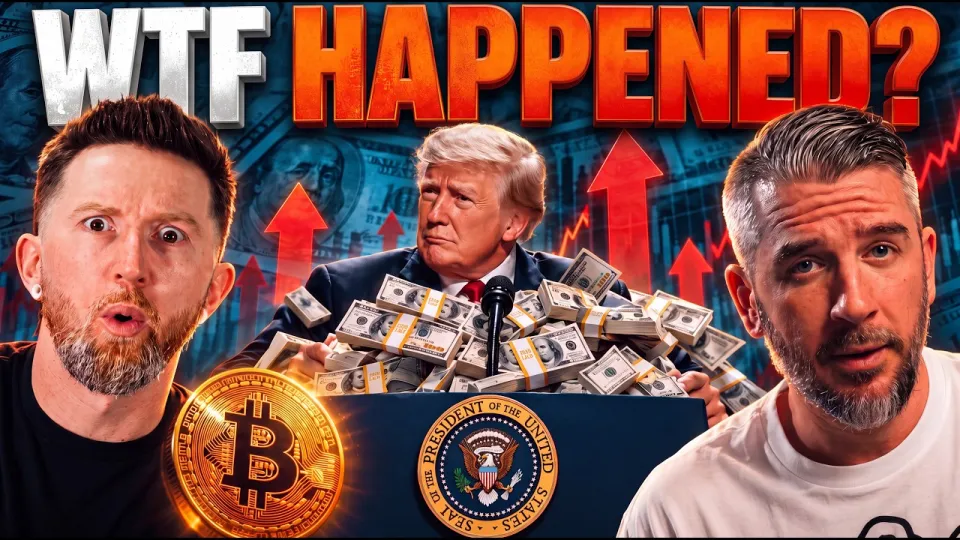
Bitcoin has not been bought for the US Strategic Reserve because the reserve as currently framed is built on coins seized by law enforcement rather than on open-market purchases. A presidential executive order can direct the government to keep forfeited bitcoin instead of auctioning it, but it cannot create the legal authority or the budget line needed to buy new coins. That gap between holding and acquiring is the real reason the reserve exists on paper while the Treasury's buy button stays untouched.
What the US Strategic Reserve for bitcoin actually is
The reserve is a stockpile, not a purchase programme. Under the current framework, bitcoin that federal agencies seize in criminal and civil cases is transferred to the government's custody instead of being sold at auction, and it is treated as a strategic asset rather than surplus property. The distinction matters: a stockpile grows only as fast as seizures happen, and seizures are driven by enforcement activity, not by Treasury policy.
The panel on Simply Bitcoin's After Hours format — Rustin, Hurley and Opti — spend much of the episode on exactly this point, arguing that the public debate keeps conflating two separate questions: whether the US should own bitcoin, and whether the US should buy bitcoin. Holding forfeited coins answers the first. It says nothing about the second.
Why a presidential order cannot simply trigger bitcoin purchases
Buying bitcoin with public money requires appropriations. An executive order can instruct agencies to retain assets already in their possession, but new spending has to come from Congress, and any programme large enough to matter would need a statutory basis, a funding source and reporting requirements. In practice that means a bill, hearings and a vote — not a signature.
There is also the question of what the government would be buying with. A purchase programme would have to specify whether coins come from open-market buys, from forfeiture transfers between agencies, or from some form of in-kind arrangement. Each route carries different legal exposure. The hosts treat the absence of any of these mechanics as the tell: the announcement was designed to be a signal, not an operating instruction.
The operational obstacles: custody, audit and market impact
Even with funding, the mechanics are hard. Three problems dominate:
- Custody. Government bitcoin has to sit somewhere — self-custody with keys split across agencies, a qualified custodian, or an exchange. Each option creates counterparty and insider-risk questions that federal procurement rules are not built for.
- Audit and valuation. Agencies report on assets under accounting standards written for securities and commodities. Marking bitcoin to market introduces volatility into federal balance sheets and invites questions about impairment.
- Market impact. A buyer of size moves the price. Any purchase schedule would need rules on disclosure and execution to avoid the appearance of front-running, and those rules would be public before the first coin is bought.
The conversation repeatedly returns to the gap between announcing a reserve and running one, and the hosts argue that the operational homework is being done quietly rather than on camera.
The political calculation behind the delay
Politically, buying bitcoin is asymmetric. If the price rises, the government is accused of speculating with taxpayer money; if it falls, the loss is a headline. Holding seized coins carries none of that exposure because the coins cost the Treasury nothing.
There is also the electoral calendar. A purchase programme launched at the wrong moment becomes a talking point for opponents, and any member of Congress who sponsors it owns the price chart that follows. The panel's read is that the delay is deliberate: the reserve framework secures the strategic position, while the actual buying waits for a political window that costs less.
What the panel says would change the picture
According to the Simply Bitcoin discussion, three developments would move the US from holding to buying:
- Legislation with a funding line, not just an executive order, giving a named agency authority to acquire bitcoin.
- A published custody and audit standard, so the government can prove what it holds without exposing keys or moving coins.
- A transparent execution framework, including how purchases are sized and disclosed, so the market can price the programme in advance.
Until those exist, the reserve will keep growing through seizures. That is a real accumulation mechanism — it just is not the one most people picture when they hear "strategic reserve."
Common questions from viewers about the reserve
The most frequent pushback in the comments is about credibility: if the plan is real, why is nothing being bought? The answer is that the plan as written never included buying. A second recurring theme is whether the government could simply convert other assets into bitcoin; that would require selling something first, which is its own political fight. A third is whether seized coins are ever returned — they can be, if a court orders it, which is why a forfeiture-based reserve is less permanent than it sounds. Viewers also ask whether the US is waiting on other countries; the panel's view is that the constraint is domestic law and domestic politics, not international coordination.
Bottom line
Bitcoin's place in the US Strategic Reserve is currently defined by retention, not acquisition, and that is the whole story behind the missing purchases. The legal authority to buy sits with Congress, the operational standards for custody and audit are still being written, and the political cost of buying at the wrong price is higher than the cost of waiting. Simply Bitcoin's breakdown makes the case that the reserve is a foundation being poured, not a programme being abandoned. Watch the price of legal mechanics, not the price of bitcoin, for the signal that buying has actually begun.
Key takeaways
- The US Strategic Reserve holds bitcoin obtained through forfeiture, not purchases made in the open market.
- Converting seized bitcoin into a permanent reserve requires legal authority and budget approval that a presidential order alone does not provide.
- Custody, audit and insurance of government-held bitcoin remain unresolved operational questions.
- Any purchase programme would need congressional funding and would face scrutiny over market impact and price timing.
- The Simply Bitcoin panel (Rustin, Hurley, Opti) argues the delay is political and procedural, not technical.
Questions & answers
Has the US government actually bought any bitcoin for its Strategic Reserve?
No open-market purchases have been made. The reserve is being built from bitcoin seized in federal cases and retained rather than auctioned. Buying new coins would require congressional funding and a statutory authority that an executive order does not supply.
Could the President order the Treasury to buy bitcoin directly?
An executive order can direct agencies to retain assets they already hold, but it cannot appropriate money. Purchases with public funds need a funding line from Congress, plus rules on custody, disclosure and execution. Without those, there is no mechanism to spend.
What happens to seized bitcoin if a court rules in the owner's favour?
Forfeited coins can be returned if a court orders it, which makes a forfeiture-based reserve less permanent than a purchased one. That is one reason the framework is described as a stockpile rather than a guaranteed long-term holding.
Is the US waiting for other countries to move first on bitcoin reserves?
The Simply Bitcoin panel argues the constraint is domestic: appropriations, custody standards and political risk at home. International coordination is not the binding factor, and other nations' reserves do not change what US law allows the Treasury to do.
Source: LEAKED: Here's The REAL Reason America Hasn't Bought Bitcoin For its Strategic Reserve... · Markdown version